Dog Waste Bags: A Practical Disposal Guide (2026)
Every responsible dog owner needs reliable dog waste bags, yet most people grab whatever is cheapest and never think twice. That habit leads to torn bags, leaks, and mess on your hands. This 2026 guide explains how to choose bags that hold up, how to dispose of waste responsibly, and how to build a cleanup routine that actually sticks.
We have walked dogs through mud, snow, and summer heat, and the lesson is always the same: thickness and closure quality matter more than the color or the fancy dispenser. Let’s cover what to look for and why it counts.
Why Bag Quality Matters More Than Price
A thin bag saves a few cents but fails when it counts. Punctures happen on gravel, and cold temperatures make cheap film brittle. Upgrading to heavy Dog duty Bags means fewer accidents, better odor control, and confidence on every walk.
Thickness is measured in microns. Standard bags run 12 to 15 microns, while heavy-duty options reach 18 to 20 microns. That extra layer resists tears from claws, sticks, and rough pavement.
It is easy to overlook this detail until a bag fails at the worst moment. Once you feel the difference a sturdier bag makes on a real walk, you rarely go back to the flimsy kind, because confidence matters as much as cleanliness.
Leak resistance and seams
Look for reinforced side seams. A bag can be thick yet still split at a weak seam. Quality manufacturers heat-seal the edges so pressure spreads evenly.
Knot and tie ease
Wider bags are easier to knot with cold fingers. If you walk in winter, a generous opening saves frustration and keeps odors sealed inside.
Types of Dog Waste Bags Compared
Different bags suit different owners. Here is a side-by-side look to help you decide.
| Bag Type | Thickness | Best For | Notes |
|---|---|---|---|
| Standard poly | 12–14 micron | Small dogs, short walks | Budget option, tears easily |
| Heavy-duty | 18–20 micron | Large dogs, daily use | Puncture and leak resistant |
| Compostable | 15–18 micron | Eco-conscious owners | Needs proper composting site |
| Scented | 14–16 micron | Odor-sensitive users | Masks smell, not always thicker |
Responsible Disposal Step by Step
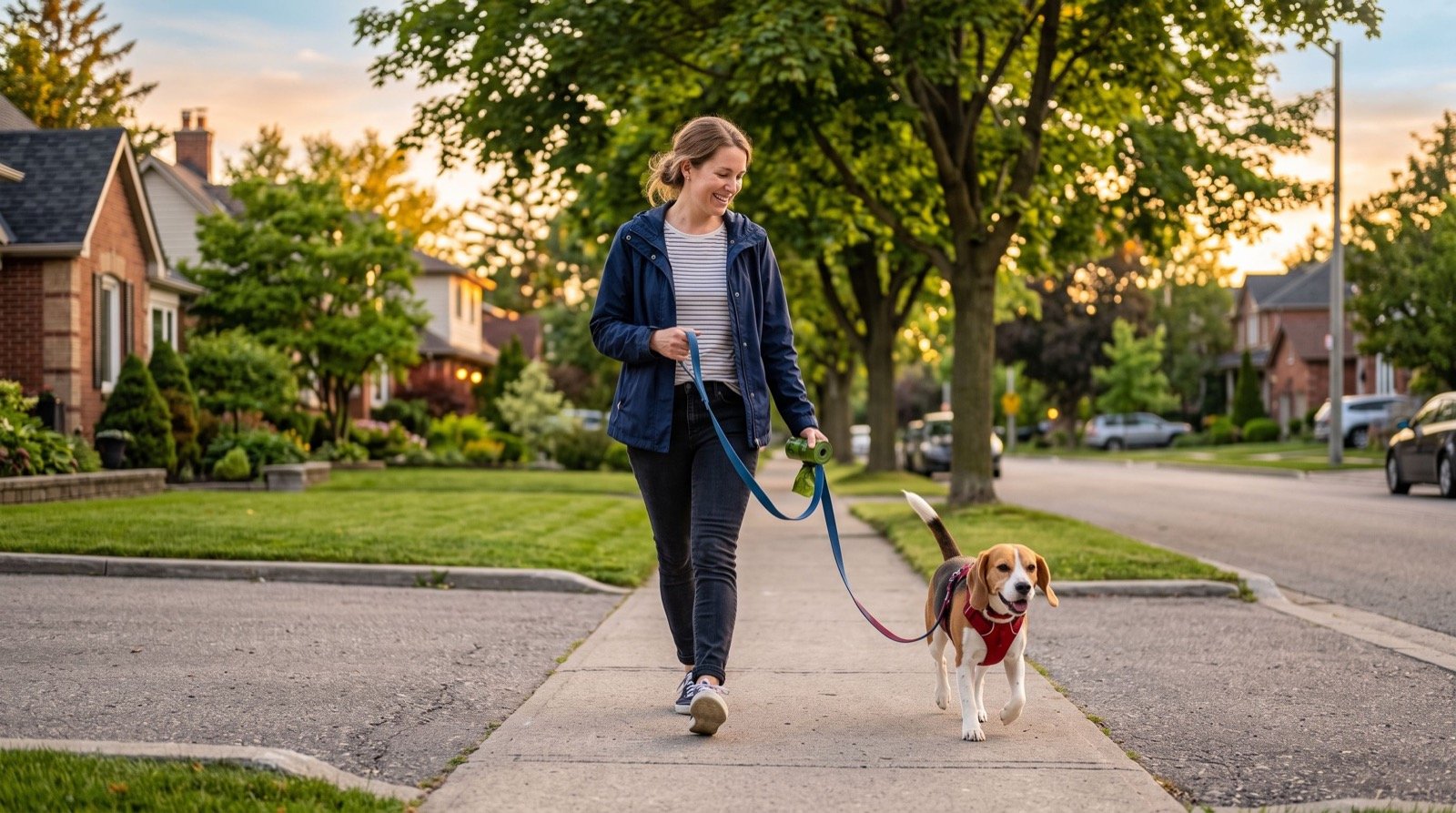
- Scoop or pick up the waste promptly, ideally within minutes.
- Seal the bag with a tight double knot.
- Place it in a designated waste bin, never a storm drain or compost meant for food.
- Wash or sanitize your hands after the walk.
The U.S. Environmental Protection Agency warns that uncollected pet waste contributes bacteria and excess nutrients to waterways. Their homeowner guidance on protecting local water is worth a read for anyone with a yard near a creek or storm drain.
Pairing Bags With the Right Tool
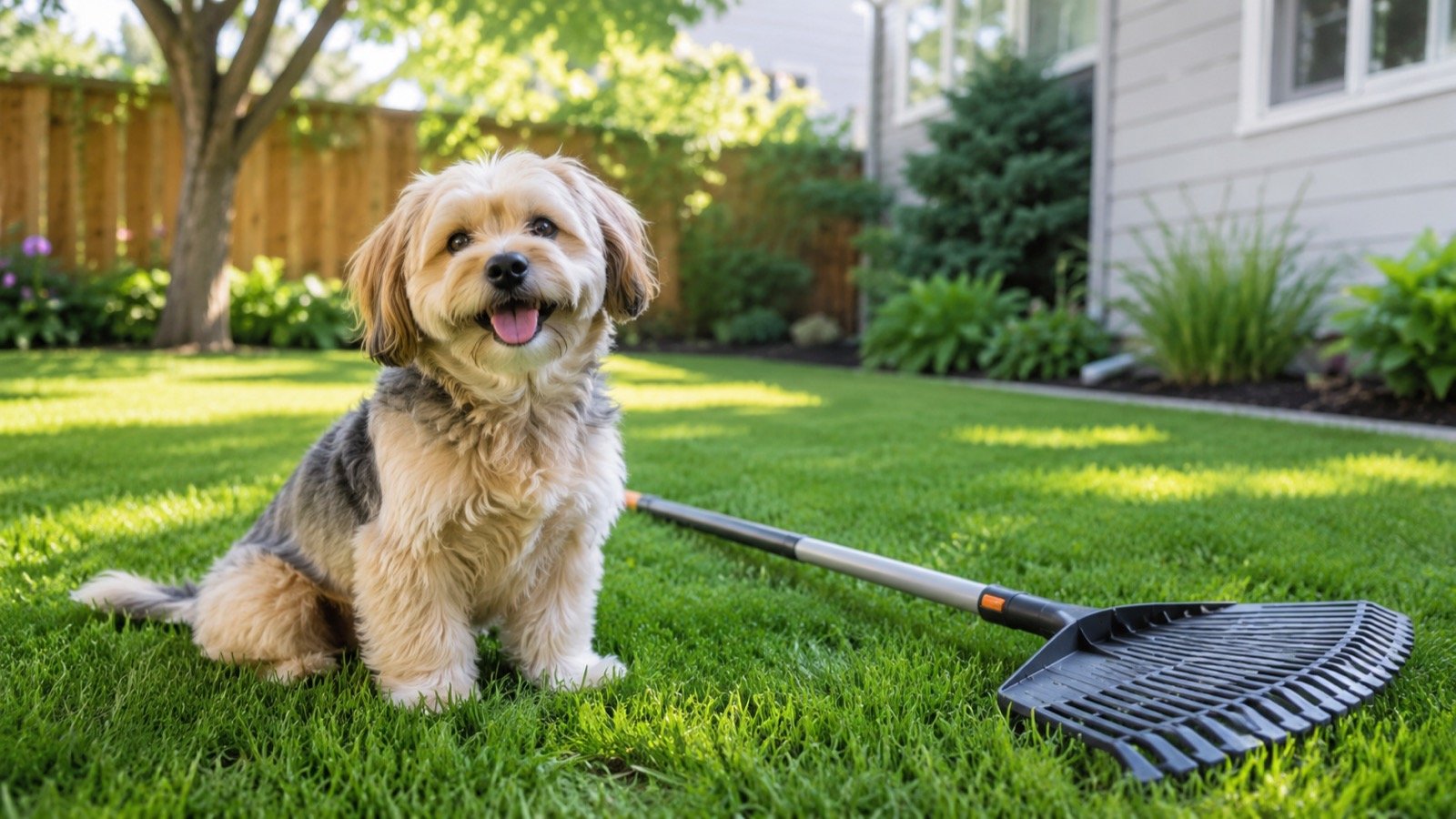
Bags work best alongside a good scooper. A Pooper scooper keeps your hands away from the mess entirely, which is ideal for yard cleanup or owners who dislike the bend-and-grab method. For walks, a bag-attached tool combines both in one motion.
When you invest in durable gear, you spend less over time. Cheap bags that fail cost you replacements and cleanup, while a quality kit lasts season after season.
Are Compostable Dog Waste Bags Worth It?
Compostable bags reduce plastic use, but they only break down in the right conditions. In a sealed landfill, even a certified compostable bag may not degrade quickly. If your municipality offers pet waste composting, they shine; otherwise, a thick standard bag disposed of correctly may have a smaller practical footprint.
Read the packaging carefully. Terms like biodegradable and compostable are not interchangeable, and certifications matter. When in doubt, choose bags backed by recognized standards.
Frequently Asked Questions
How thick should dog waste bags be?
For daily use with a medium or large dog, aim for at least 18 microns. Thicker film resists punctures and leaks, keeping your hands clean and odors contained.
Can I flush dog waste instead of bagging it?
Most guidance advises against flushing bagged waste. Only unbagged waste should ever be flushed, and only where local rules allow, since bags clog sewer systems.
Do scented bags work better?
Scented bags mask odor but are not always thicker. If leak resistance is your priority, choose a heavy-duty bag first and treat scent as a bonus, not a substitute.
How many bags should I carry per walk?
Carry at least two per dog. Extra bags cover unexpected second stops and give you a backup if one tears on rough ground.
Common Bag Mistakes to Avoid
Even careful owners slip into bad habits. The most common is buying by price alone, which leads to a cycle of torn bags and dirty hands. A slightly thicker bag costs pennies more but saves you from the worst moments of dog ownership.
Another mistake is storing bags in a hot car or direct sunlight. Heat degrades plastic over time, weakening the film long before you use it. Keep your supply in a cool, shaded spot such as a drawer or a leash-mounted dispenser out of the sun.
Finally, many people underestimate how many bags they need. Running out mid-walk is not just inconvenient, it can leave you unable to clean up in public. Always restock before the roll runs low, and keep a backup pack in your car or bag.
Reading the Label Like a Pro
Bag packaging is full of marketing terms, so learn to spot the ones that matter. Micron thickness tells you durability, while dimensions tell you whether the bag suits your dog’s size. Ignore vague claims and focus on measurable specs.
Certifications matter for eco-claims. Look for recognized composting standards rather than generic words like “green” or “natural,” which carry no guarantee. A genuine certification means the bag was independently tested against a real standard.
- Micron rating: the higher the number, the tougher the bag.
- Dimensions: width and length should match your dog’s output.
- Roll count: compare cost per bag, not just pack price.
- Certifications: verify any compostable or biodegradable claim.
Conclusion
Good dog waste bags are a small purchase with a big payoff in cleanliness, hygiene, and peace of mind. Choose thicker film, seal with a double knot, and dispose of waste in the proper bin. If you would rather leave big yard cleanups to trusted professionals, that is a valid option too, but for daily walks, the right bag and a steady routine will keep 2026 tidy and stress-free.